
Thailand Welcome Guide
Everything to prepare before landing and during your first visit to Thailand. A little preparation makes arrival much easier: sort out entry documents, mobile data, money, and plan how you will get to where you are staying from the airport.
Before you fly
Country code
+66
Population
~ 71,000,000
Currency
Thai Baht ฿ THB
Time zone
UTC +7 ICT
Seasons in Thailand
Cool season
November - February
Usually the most comfortable time to visit, with lower humidity, cooler evenings, and less rain in many areas.
Hot season
March - May
Expect strong heat, especially in cities and inland areas. Plan outdoor sightseeing early in the morning or later in the day.
Rainy season
June - October
Short heavy showers are common, but travel is still possible. Landscapes are greener and some places are quieter.
Install these apps
 Grab
Grab Bolt
Bolt Google Maps
 Google Translate
 LINE
LINE XE Currency
 Klook
Klook Agoda
Agoda GoWabi
 Lazada
 Shopee
 12Go
12Go

 Playlist
The soundtrack to your Thai adventure
A handpicked playlist with Thai indie, alternative and feel-good tracks for your journey.
Data and SIM card options
Roaming data package
Most network providers offer roaming packages with a fixed price and data allowance for use abroad. Just make sure the roaming settings are configured correctly, and monitor your usage.
Purchase an eSIM before arrival
Install it before flying so that you can use it as soon as you land. Some popular and affordable providers include Saily and Simbye.
Physical tourist SIM
You can buy tourist SIM cards at the airport, 7-Eleven, and mobile network shops in the airport and throughout Thailand.
Affiliate link — Thai Visa Checklist may earn a commission at no extra cost to you.
Popular Thai networks include AIS and True/dtac. Tourist SIMs must be registered with a valid passport. Keep your home SIM available if you need bank or account verification codes, but disable its mobile-data roaming to avoid surprise charges.
Money and ATMs
Staying longer term? Read what foreigners commonly need when opening a Thai bank account.
7-Eleven
Thailand’s 7-Eleven stores are a traveller’s best friend. With more than 15,000 locations across the country, you’re never too far from one. Apparently, the only area without one is Koh Kut. They’re great when you are on the move and need essentials like water, mosquito repellent, paracetamol, and so on.
Essentials
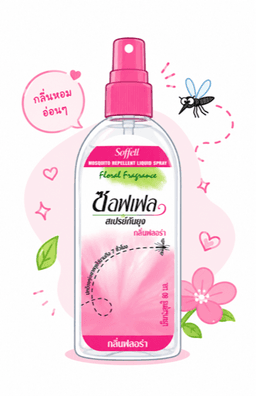 Mosquito repellentSpray at dusk and dawn to keep the mosquitoes at bay.
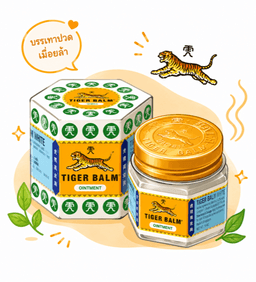 Tiger BalmPerfect for sore muscles, headaches, bites, and aches.
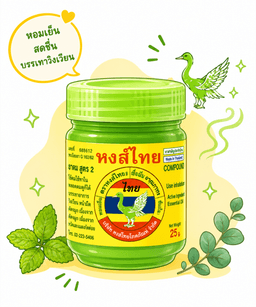 Hong Thai herbal inhalerA refreshing herbal inhaler for blocked noses and dizziness.
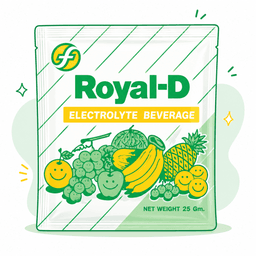 Rehydration sachetsReplaces lost fluids after the heat, illness or a night out.
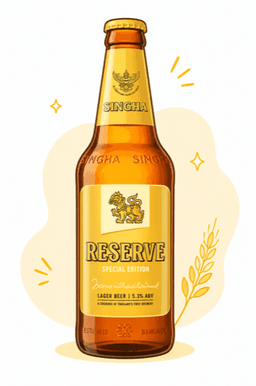 Beer SinghaOne of Thailand's most popular local beers.
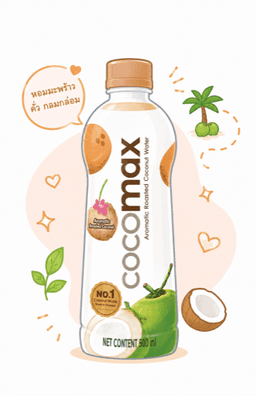 Coconut waterA refreshing way to stay hydrated in the heat.
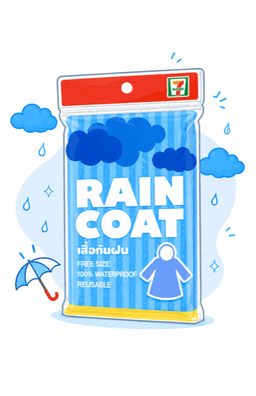 Rain ponchoIdeal for sudden tropical downpours in rainy season.
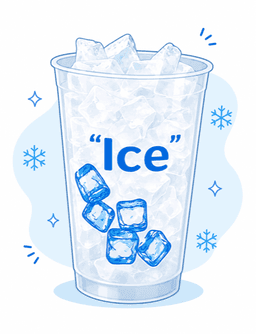 Ice cupFor just 10 THB, fill up your cup with ice and your favourite drinks.
Getting around
Bangkok rail
The BTS Skytrain and MRT are usually the easiest way to avoid road traffic. They use separate fare systems, so there is no single stored-value card that covers every line. Check the official BTS and MRT information for the lines you will use.
Grab and Bolt
Choose the correct pickup point. It is generally best to adjust the pin yourself so it is accurate. Confirm the number plate and driver in the app, then enjoy the ride. Highway tolls are charged extra, which is normal. Sometimes the driver will pay first and add it to the fare, or they may ask you to pay on the spot.
Metered taxis
Before the taxi moves, if they haven't done so already, politely ask the driver to use the meter. If they refuse, leave the taxi before starting the journey and take another one. Airports may add an official surcharge, and highway tolls are paid separately.
Tuk-tuks
Tuk-tuks can be fun for a short ride, but agree on the total price and destination before getting in. Compare the quote with a ride-hailing app and avoid suspiciously cheap sightseeing trips tied to gem shops, tailors, or commission stops.
Motorbikes and driving
Do not assume a car licence covers a motorcycle. Before renting or driving, check the licence, permit, helmet, and insurance requirements in our Thailand driving licence guide.
Useful Thai phrases
Men add Krap and women add Ka to be polite. Pronunciation matters, but a friendly attempt is usually appreciated.